Your brand is what people repeat about you.
For experts and business owners who have written a nonfiction book, or are writing one. Decide who you help, the one thing you promise, the idea you own and the talks you give, then say it the same way everywhere. Free guides, fill-in templates and a bio builder.
- 3,000+ books published by Scribe
- 23 NYT and WSJ bestsellers
What an author brand is, and what it is not
An author brand is the short version of you that other people carry around. A client tells a friend, "She is the one who helps family businesses hand over to the next generation without a fight." An event host reads two sentences from your bio before you walk on stage. A podcast producer types your name and a phrase into the show notes. None of those people will read your whole book before they speak. They repeat what you gave them.
So the work is not a logo or a color palette, although those come into it at the end. The work is deciding a few sentences, testing them, and then saying them the same way on the back cover, your website, your LinkedIn profile, your speaker page and the first minute of every talk. When the sentences match, people remember them. When each place says something slightly different, people remember nothing.
The test: ask three people who know your work to describe what you do in one sentence, without looking anything up. If the three answers are close to each other and close to what you would say, you have a brand. If they wander, you have a reputation for being good at something nobody can name.
A book is the strongest single tool for this, because it forces the decisions. You cannot write 40,000 words without choosing a reader, a problem and a promise. As The Scribe Method puts it, nobody cares about your book; they care about what it can do for them. The same is true of you.
Five things people repeat about an author
Each one has its own guide with a template and worked examples. Do them in this order: each part is built from the one before it.
Who you help
A positioning statement: one reader, one problem, one result, and why you instead of the alternatives. It is a private sentence you use to make decisions.
Positioning statement guide 2The one promise
The public sentence. What a reader will be able to do, or stop suffering, because of you. Short enough for a friend to say at dinner.
One-line promise guide 3The idea you own
A name for your method, framework or diagnosis, so people can ask for it by name and credit you when they repeat it.
Name your idea guide 4The talks you give
Two or three talk titles built from your chapters, each one solving a problem an event planner already has.
Speaking topics guide 5The bio others read aloud
A 50, 100 and 200 word bio that does the introducing for you, in the third person, plus a first-person version for your own pages.
Author bio guide +Say it everywhere
A checklist for the back cover, website, LinkedIn, speaker sheet, podcast intros and email signature, so all of them say the same thing.
Consistency checklistThe five parts for one (hypothetical) author
Say you are an operations consultant who has spent fifteen years fixing manufacturing plants that keep missing delivery dates. You are writing a book. Here is what the five parts might look like once they are decided. This person is invented to show the pattern.
| Part | Before (what most experts start with) | After |
|---|---|---|
| Who you help | "Businesses that want to improve operations." | Plant managers at mid-sized manufacturers who keep missing ship dates. |
| The one promise | "Operational excellence through proven strategies." | Ship on time without hiring more people. |
| The named idea | "My approach." | The Late Order Audit: five questions that find why orders slip. |
| Talks | "Leadership and operations." | "Why your plant is always a week late, and the five questions that fix it." |
| Bio, first line | "A passionate, results-driven leader with 15 years of experience." | "[Name] helps plant managers at mid-sized manufacturers ship on time without adding headcount." |
Notice that every line in the right-hand column repeats the same reader and the same result. That repetition is the brand. The left-hand column is accurate, but nobody could repeat it, because there is nothing specific to repeat.
The Author Bio Builder
Your bio is the part of your brand that strangers read most often, and usually the part written last and fastest.
What it does
You enter plain facts: your name, who you help, the result you promise, your book, a few credentials, where you live and one human detail. The builder turns them into four versions you can copy:
- a short bio for event programs, podcast show notes and the back cover,
- a medium bio for speaker pages and guest posts,
- a long bio for your website and media kit,
- a first-person version for LinkedIn and your own About page.
It works in your browser. Nothing you type is sent anywhere unless you choose to send the optional form.
Before you open it
The builder can only arrange what you give it. Two sentences decide whether the result is any good:
- Who you help, specifically. Not "leaders" but "first-time managers in hospital nursing units." See the positioning statement guide.
- The result you promise. A change the reader wants, in their words. See the one-line promise guide.
Then read how to write an author bio for what to include, what to cut and labelled examples of each length.
Authors who are known for one thing
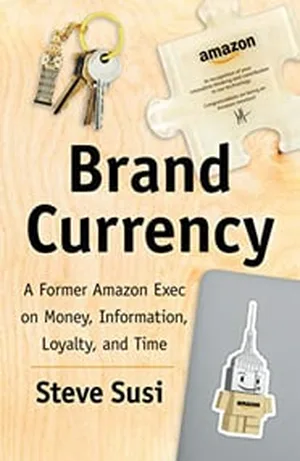
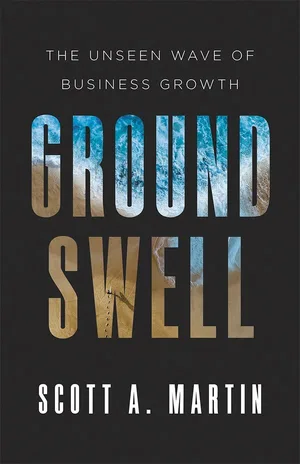
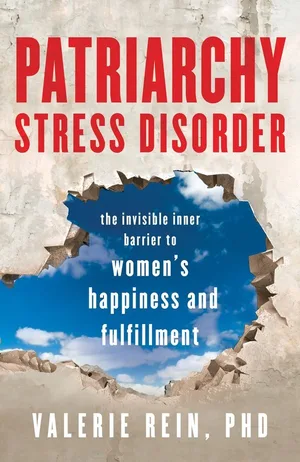
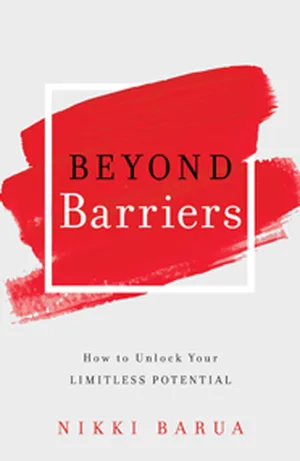
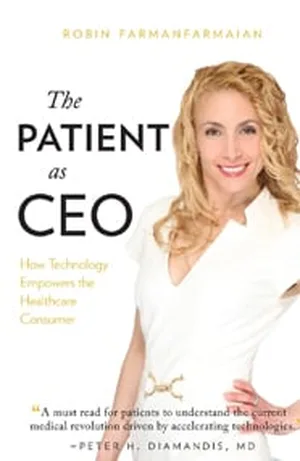
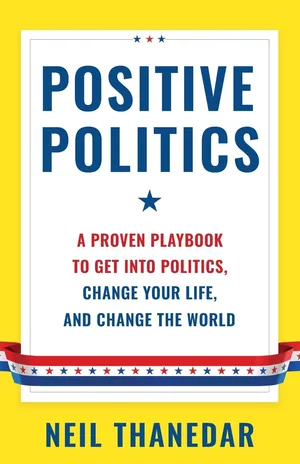
These are real Scribe authors, each linked to the full story. They are strong results, not typical ones, and nobody can promise them. What they share is that people can say in a sentence what each author stands for.
A path through the guides
- What an author brand isThe parts, and how brand differs from platform
- Write your positioning statementThe private sentence that makes every other decision
- Find your one-line promiseThe public sentence people repeat
- Name your ideaOwn a term, method or framework
- Turn chapters into talksSpeaking topics event planners book
- Write your author bioThree lengths, labelled examples
- Get the photo and look rightHeadshot, cover and the visual side
- Check it everywhereA place-by-place consistency checklist
Want to work through your brand with Scribe?
If you are writing a book, or thinking about one, and want help saying who it is for and what it promises, leave your details. Someone from the Scribe team will get in touch to talk it through.
Rather pick a time yourself? Book a free 30-minute consult or call 512-325-0249.
Thank you. Your details are with the Scribe team.
Someone from Scribe will reach out by email. If you would rather not wait, pick a time for a free consult.
Common questions
What is an author brand?
An author brand is what people say about you when you are not in the room: who you help, the one result you promise, the idea you are known for and the talks you give. It is built from your book, but it lives in your bio, your LinkedIn profile, your website and the way event hosts introduce you.
Do I need an author brand before my book is finished?
You need the core of it before you write, because the same choices shape the book: who the reader is, what problem it solves and what it promises. The visible parts, such as the photo and the speaker page, can come later. Writing the brand first usually makes the book easier to write.
What is the difference between an author brand and an author platform?
Your platform is the reach you have: email list, followers, podcast, speaking calendar, client base. Your brand is the message that reach carries. A large platform with a fuzzy message gets attention and little else. A clear brand makes a small platform work much harder.
Is the bio builder really free?
Yes. The Author Bio Builder runs in your browser and needs no email. It turns facts you enter into a short, medium and long bio in the third person and a first-person version you can copy.
Who made this site?
Scribe Media, a book writing and publishing company in Austin, Texas that has published more than 3,000 books. Scribe sells book services, and this site links to them only where that is a useful next step. The guides stand on their own.